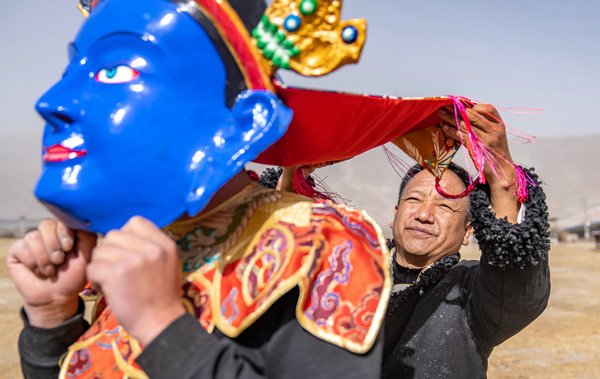
Tibetan Mask Making
Introduction
Tibetan Mask Making is an ancient craft that forms an integral part of the cultural and artistic heritage of Xizang autonomous region. These masks, characterized by intricate designs and vibrant colors, are an essential element of Tibetan opera and various religious and cultural festivals. The art of mask making in Xizang encompasses a deep understanding of cultural symbolism and religious significance, reflecting the rich traditions and beliefs of the Tibetan people. With roots that trace back centuries, Tibetan masks are crafted through meticulous processes involving sculpting, layering, air-drying and painting. This art form is considered a regional intangible cultural heritage, embodying both the spiritual and artistic expressions of Xizang.
History of Tibetan Mask Making
The history of Tibetan mask making is intertwined with the religious and cultural history of Xizang itself. Traditionally, these masks have been used in Tibetan opera, a prominent form of cultural expression that combines music, dance and drama to depict stories from Tibetan folklore, Buddhist teachings and historical narratives. Over the centuries, mask making has evolved, incorporating various influences while maintaining its core traditional elements. Tibetan masks are not only an artistic expression but also play a crucial role in religious ceremonies and festivals, where they are believed to embody deities, spirits, or mythical creatures. The craft has been passed down through generations, ensuring the preservation of traditional techniques and designs.
Cultural Significance
Tibetan masks hold significant cultural and religious value. They are used in various rituals and ceremonies, serving as a link between the physical and spiritual worlds. In Tibetan Buddhism, masks are often worn by monks and performers during religious dances, believed to invoke the presence of deities and spirits. These masks are considered sacred objects, each carrying specific symbolic meanings related to the characters they represent. Beyond their religious use, masks are also an integral part of Tibetan opera, enriching the storytelling with their expressive features. The cultural significance of Tibetan masks is evident in their continued use and reverence in contemporary Tibetan society.
Materials Used in Tibetan Mask Making
The materials used in Tibetan mask making vary depending on the type and purpose of the mask. Traditionally, masks are crafted from materials such as wood, papier-mâché, clay, or metal. Wood is a common material for carving intricate designs, favored for its durability and ability to be finely detailed. Papier-mâché is often used for creating lighter masks, suitable for elaborate performances. Clay masks are also popular, particularly for ritualistic purposes due to their symbolic connection with the earth. These materials are often embellished with paint, gold leaf and other decorative elements to enhance their visual impact and significance.
Techniques and Methods
The craft of Tibetan mask making involves time-consuming and detailed techniques that require skill and precision. The process begins with sculpting, where the basic form of the mask is shaped from the chosen material. This stage is crucial as it determines the overall structure and balance of the mask. Following sculpting, the mask undergoes layering, where additional materials are applied to build depth and texture. Air-drying is a critical step, allowing the materials to set and harden naturally. Finally, painting brings the mask to life, with intricate patterns and vibrant colors that reflect the character's identity and symbolic meanings. These techniques are passed down through generations, preserving the traditional craftsmanship of Tibetan mask making.
Types of Tibetan Masks
Tibetan masks are categorized into various types based on their use and significance. Each type serves a unique purpose and holds distinct cultural and religious symbolism.
Religious Masks
Religious masks are worn during spiritual rituals and ceremonies, often depicting deities, demons, or mythical creatures. These masks are believed to embody divine powers and are used to invoke blessings, ward off evil spirits, or convey religious teachings. They are intricately designed, with features that reflect the attributes and symbolism associated with the represented entity.
Festival Masks
Festival masks are prominently featured in cultural celebrations and performances, such as Tibetan opera and traditional dances. These masks add a theatrical element to the festivities, enhancing the storytelling and engaging the audience. Festival masks are characterized by their vibrant colors and expressive designs, representing various characters from folklore and history.
Folk Masks
Folk masks are often simpler in design compared to religious and festival masks. They are used in community celebrations and performances, reflecting local traditions and customs. Folk masks may depict everyday characters, animals, or mythical beings, serving as a medium for storytelling and cultural expression within the community.
Influences on Tibetan Mask Making
The art of Tibetan mask making has been shaped by various cultural, religious and historical influences over the centuries. Buddhism, as the predominant religion in Xizang, has had a profound impact on the themes and symbolism of Tibetan masks. The depiction of Buddhist deities and spiritual concepts is a common feature in many masks. Additionally, the geographical and cultural exchanges with neighboring regions have introduced diverse artistic elements and techniques into Tibetan mask making. These influences have contributed to the rich diversity and complexity of designs found in Tibetan masks today.
Preservation and Promotion
Efforts to preserve and promote Tibetan mask making are essential to safeguarding this intangible cultural heritage. Local governments, cultural organizations, and artisans collaborate to ensure the sustainability of the craft. Educational programs and workshops offer training and resources for aspiring mask makers, encouraging the continuation of traditional techniques. Additionally, initiatives aimed at documenting and archiving mask making practices contribute to the preservation of knowledge and heritage. The promotion of Tibetan masks through cultural festivals, exhibitions, and tourism further supports the visibility and appreciation of this art form.








